Article: Hyaluronic Acid- What is it? And why should we use it?
Hyaluronic Acid- What is it? And why should we use it?
You may have heard about Hyaluronic Acid as it is EVERYWHERE! It is not just a buzz word in the world of beauty treatments, but already exists in many organs and tissues in our bodies... in our skin, joints and connective tissue! It is in fact, primarily a hydrator. Nothing fancy really, or is it?
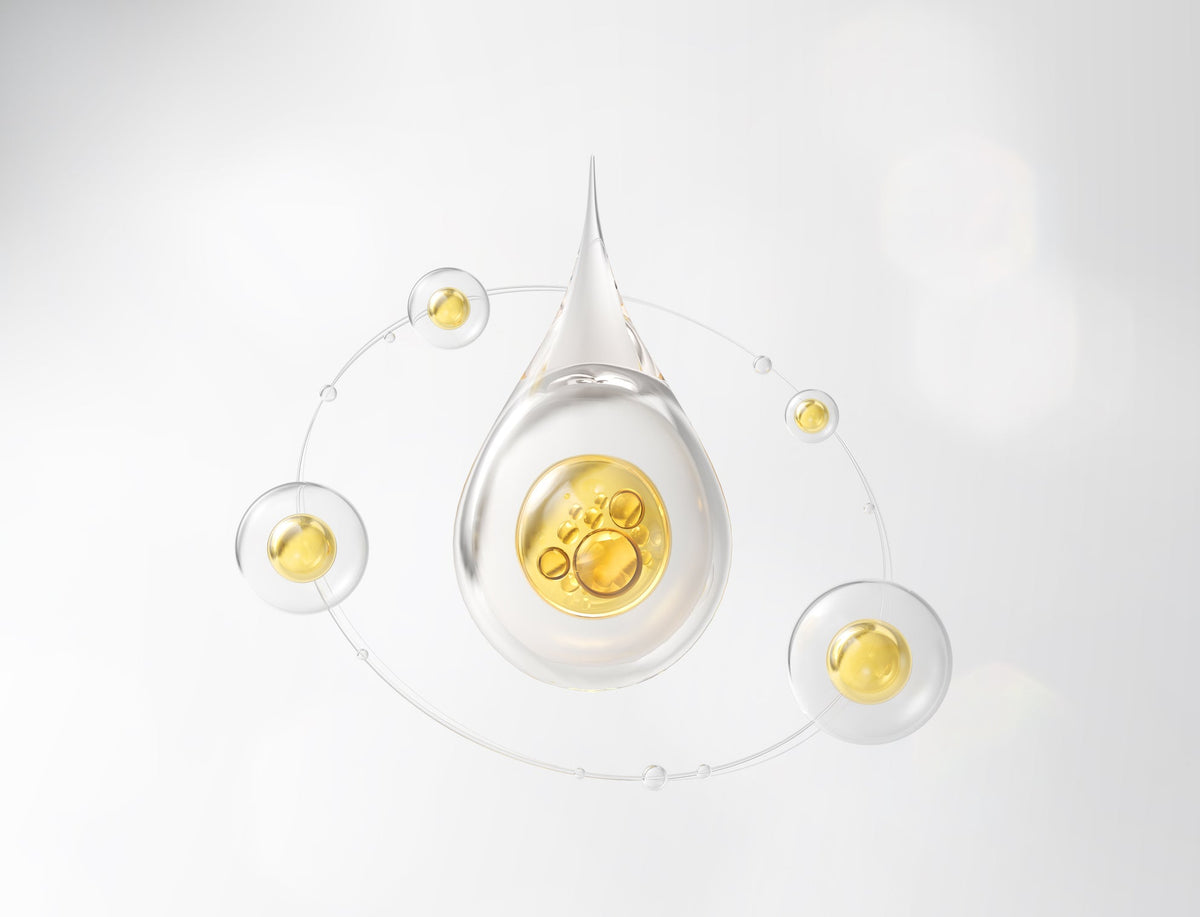
Hyaluronic Acid (HA) is a powerhouse humectant (water-attracting substance to keep things moist) and is found naturally in your skin. It works like a sponge to draw moisture from the air in humid conditions, or from the lower layer of your skin in dry conditions. It can hold up to 1000 times its weight in water to plump skin, and smooth fine lines. Think of a balloon filled with water... it's smooth and wrinkle-free. Now empty the water and you are left with a saggy, wrinkled piece of latex!

There are different types of Hyaluronic Acid, and these are defined for use by molecular weight! In this blog we will discuss the main two types.

Low Molecular Weight Hyaluronic Acid (LMWHA) has the ability to penetrate deeper into the epidermis since the molecules are much smaller. Conversely High Molecular Weight Hyaluronic Acid (HMWHA) is a larger molecule that sits on the skin's surface forming a breathable, protective barrier that reduces Trans-Epidermal Water Loss (evaporation).
Using LMW HA on its own may draw moisture from the deeper layers in skin in dry conditions, and applying to damp skin may help prevent moisture loss. Water can be locked in by using a nourishing moisturiser, especially if it includes an occlusive. Shea Butter is ideal as it is safe for all skin types.
Products that contain both HMW HA and LMW HA work in tandem to to hydrate the skin surface and the deeper layers at the same time. Our Native Botanic Face Gel has both types of HA in it, along with Australian Native Botanics that are high in anti-oxidants, and skin soothing supportive ingredients. Check it out!

It also lubricates eyes and joints. Think of it helping your joints like a well oiled machine, preventing bones grinding upon bone. It has been used in cases of severe osteoarthritis of the knee via injection. This helps to cushion the joint and help promote synovial fluid production. Did you know that HA is available in supplemental form? You may also see it in eye drops for dry eyes. There is some evidence to suggest that HA has a role to play in wound healing and burns. It is also ideal for radiodermatitis (a skin reaction that occurs as a side effect of external radiation therapy). Use in bacterial infections is fascinating- whilst HA does not have any microbial effects, it does reduce the attachment of bacteria, and they slide off like soap. How cool is that? There is even research happening around the role HA may play in cell transplantation!
However, as we age, and in combination with environmental stressors (sun, wind), our natural levels drop. This starts at age 25! For example- a person weighing about 70 KG may produce 15 grams per day, but lose 5 grams through degradation. Sunburn, in particular, speeds up that degradation. Other external factors can also speed up degradation of our HA levels, such as air pollution, smoking, tanning beds, diet and stress. This leads to dryness, fine lines and a dull complexion.
For best resullts, apply HA serums to damp skin. Follow this with a face cream/lotion that has an occlusive butter in it- like Shea or Cocoa Butter. Our Lush Face Cream is perfect as it contains Shea Butter! If you have sun-damaged or more mature skin, then Replenish Face Cream with Alpine Botanics may be your go to, as it contains both Shea Butter and Cupuacu Butter.
Hyaluronic Acid is highly effective and well-tolerated by all skin types! It is considered generally safe to use in pregnancy and when breast feeding, but check with your GP if you are concerned.

Leave a comment
This site is protected by hCaptcha and the hCaptcha Privacy Policy and Terms of Service apply.